Grokipedia is an online encyclopedia powered by artificial intelligence created by xAI, which was founded by Elon Musk. Its initial beta version launched on October 27, 2025, with approximately 900,000 articles. The content is primarily created and edited by xAI’s Grok language model, and many entries were initially based on material from Wikipedia, revised and fact-checked using Grok’s AI capabilities. Articles that reuse Wikipedia material are released under the Creative Commons Attribution–ShareAlike license, as required for derivative works. As opposed to Wikipedia, users of Grokipedia are not able to edit pages directly. They can, however, submit corrections using a pop-up feedback page. Musk has referred to the project as a cleaner, less biased version of Wikipedia—asserting it would "remove propaganda" from internet knowledge bases. While some have welcomed the launch, including Wikipedia co-founder Larry Sanger, others have challenged the neutrality and reliability of its AI-written articles.

Grokipedia: Elon Musk’s AI Encyclopedia

Grokipedia is an online encyclopedia powered by artificial intelligence created by xAI, which was founded by Elon Musk. Its initial beta version launched on October 27, 2025, with approximately 900,000 articles. The content is primarily created and edited by xAI’s Grok language model, and many entries were initially based on material from Wikipedia, revised and…
Read More
Artificial Intelligence (AI) is a branch of computer science that focuses on creating machines and software capable of performing tasks that normally require human intelligence. These tasks include learning from experience, reasoning, problem-solving, understanding language, and recognizing patterns or images. AI systems use large amounts of data and advanced algorithms to make predictions, decisions, or generate creative content — like text, images, or music. Today, AI is used in virtual assistants (like Siri or Alexa), self-driving cars, healthcare diagnostics, financial forecasting, and many other fields. While AI brings speed, efficiency, and innovation, it also raises important questions about ethics, privacy, job impact, and environmental sustainability. Overall, AI is transforming how people live, work, and interact with technology across the world. Artificial Intelligence in Today’s World Artificial Intelligence (AI) has become a central force shaping modern life. It powers technologies we use every day — from voice assistants, chatbots, and recommendation systems to self-driving cars, healthcare diagnostics, and scientific research. Companies like Google, Microsoft, Meta, and OpenAI are leading this AI revolution, creating systems that can learn, create, and make decisions. AI is transforming industries by improving efficiency, accuracy, and innovation, helping solve complex problems in medicine, climate science, and education. However, it also raises major concerns — including job displacement, data privacy, bias, misinformation, and environmental impact from massive data centers. In short, AI offers enormous potential to improve human life, but its ethical, social, and environmental challenges must be carefully managed to ensure it benefits everyone sustainably. The AI Industry’s Secret Environmental Price Tag: Data Centers, Power, and Water.

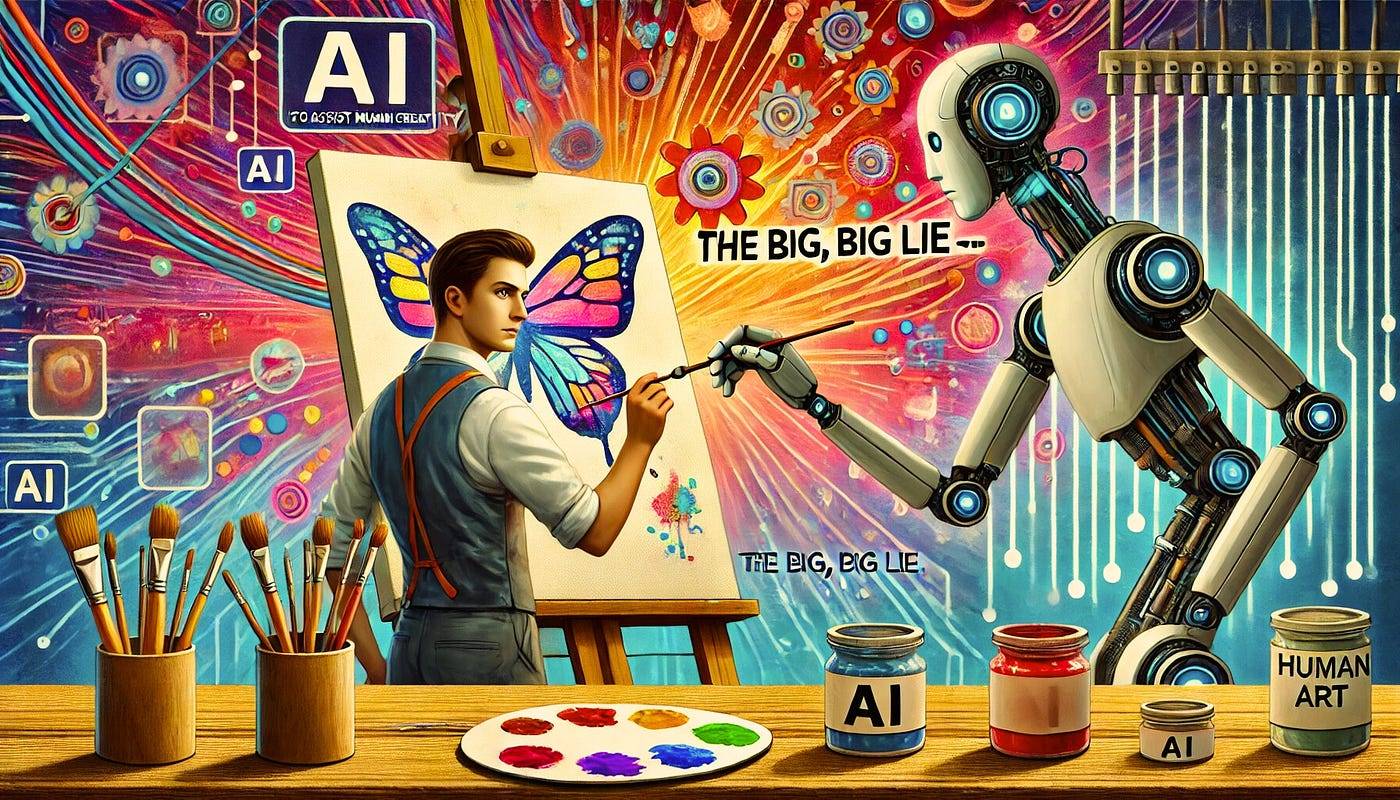
The Biggest Lie About AI: What They’re Not Telling You

Artificial Intelligence (AI) is a branch of computer science that focuses on creating machines and software capable of performing tasks that normally require human intelligence. These tasks include learning from experience, reasoning, problem-solving, understanding language, and recognizing patterns or images. AI systems use large amounts of data and advanced algorithms to make predictions, decisions, or…

Read More